




An abandoned shopping cart
It starts with a familiar moment. Someone clicks a link to an online store, excited to browse or make a purchase. The page loads slowly. Navigation feels confusing. The checkout process asks for too much information. Within seconds, they close the tab and move on to a competitor.
This scenario plays out every day in e-commerce, and it highlights an important truth: A successful e-commerce website does more than just list products with checkout buttons. Online shoppers are gone in a flash when an experience feels even slightly frustrating, disconnected or untrustworthy.
What can you do to keep site visitors from leaving before they make a purchase?
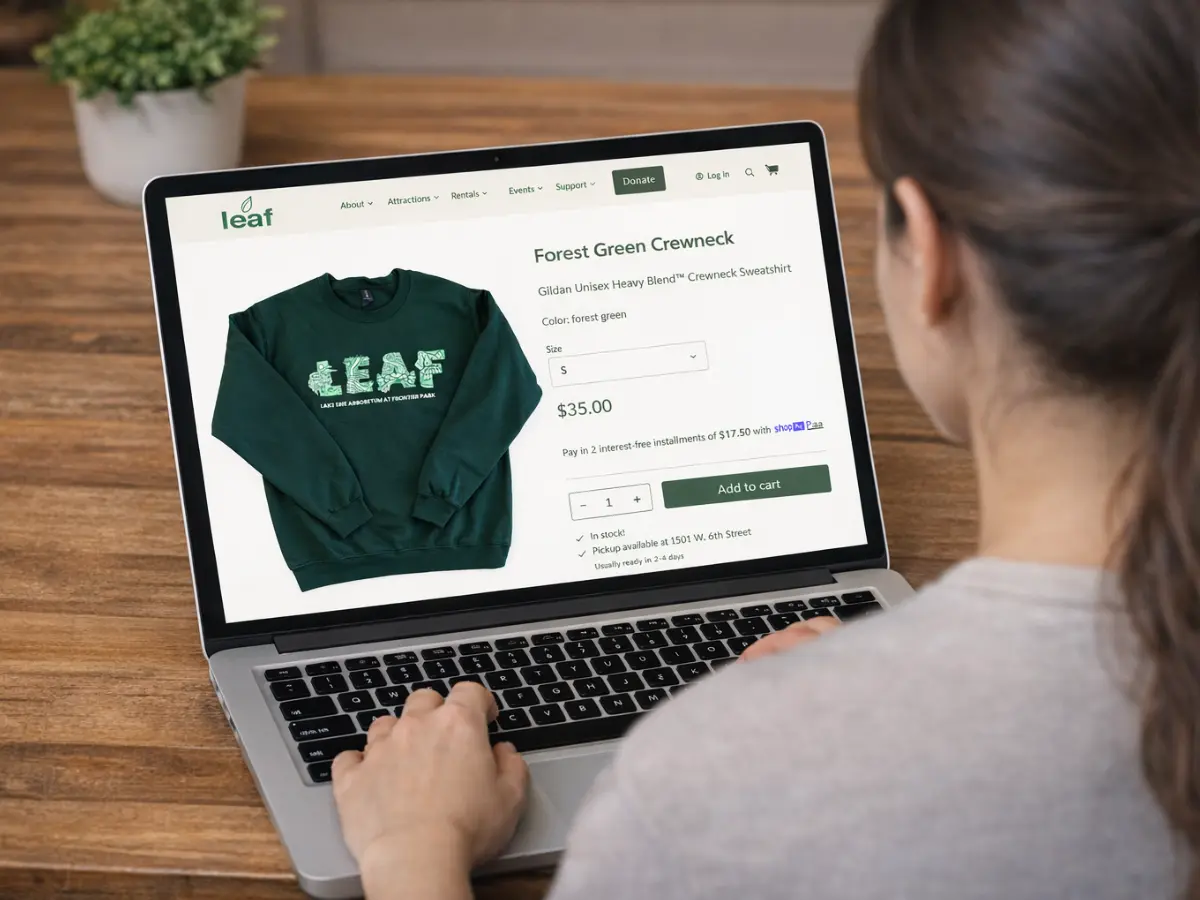
Prioritize User Experience (UX)
User experience is the foundation of e-commerce success. If shoppers can’t quickly find what they need (or feel frustrated along the way) they won’t convert.
Simplify navigation
Use clear categories, consistent menus, filters, and breadcrumbs so users always know where they are and how to move forward.
Design for mobile first
Mobile shopping dominates e-commerce traffic. Pages should load quickly, buttons should be easy to tap, and layouts should adapt seamlessly across devices.
Keep layouts clean and focused
Avoid clutter. Use white space, strong headings, and visual hierarchy to direct attention to key actions like adding to cart or checking out.
Build Trust with Design and Transparency
Trust is essential for conversions, especially at checkout.
Show security clearly
Display SSL indicators, secure payment icons, and trust badges where users enter personal or payment information.
Be transparent
Clearly communicate shipping costs, return policies, and support options. Hidden fees and vague policies increase cart abandonment.
Use social proof
Customer reviews, ratings, and testimonials reassure shoppers and help validate purchase decisions.
Optimize Speed and Performance
Slow sites lose sales. Page speed affects both user satisfaction and search rankings.
Optimize images and media
Use compressed files, modern formats, and lazy loading to maintain visual quality without sacrificing speed.
Reduce unnecessary scripts
Too many plugins or third-party tools can slow performance. Streamlined code keeps the site fast and responsive.
Test regularly
Monitor page speed, broken links, and user behavior to catch issues before they impact conversions.
Design for Conversion
Good e-commerce design actively guides users toward action.
Use clear calls to action
Buttons like “Add to Cart” and “Proceed to Checkout” should stand out visually and use direct, action-oriented language.
Streamline checkout
Reduce steps, allow guest checkout, and limit form fields. Complex checkout flows are a leading cause of abandonment.
Use visual cues thoughtfully
Icons, imagery, and subtle animations should guide attention—not distract from the purchase path.
Build Product Pages That Sell
Product pages are where decisions happen.
High-quality imagery
Use multiple photos, zoom features, and lifestyle images so shoppers can fully evaluate the product.
Clear, scannable descriptions
Use short paragraphs, bullet points, and headings to highlight key features and benefits quickly.
Focus on value
Explain how the product solves a problem or improves the customer’s life. Benefits often matter more than specs.
Improve Through Data and Testing
Great e-commerce sites are never finished.
Track user behavior
Analytics reveal where users drop off, what converts, and where friction exists.
A/B test key elements
Test layouts, messaging, and CTAs to uncover small changes that drive meaningful gains.
Adapt to expectations
Customer behavior and e-commerce standards evolve quickly. Ongoing refinement keeps your store competitive.
Bringing it all together
Designing an effective e-commerce website requires balancing aesthetics, usability, security, and performance. When these elements work together, your online store becomes more than just a place to shop, it becomes an experience that builds trust and drives growth.
At Werkbot, we approach e-commerce design with a strategic mindset, focusing on websites that not only look good but are built to convert, scale, and perform. Whether you’re launching a new store or refining an existing one, investing in thoughtful design pays dividends long after your site goes live.